1. Nervous Cats and Boarding
Some cats walk into a new environment and start exploring. Others hide, eat less at first or need time before they trust a new person. Nervous cat boarding is not about forcing a shy cat to become social. It is about giving the cat enough control, quiet and predictability to settle at its own pace.
2. A Quiet Environment Helps
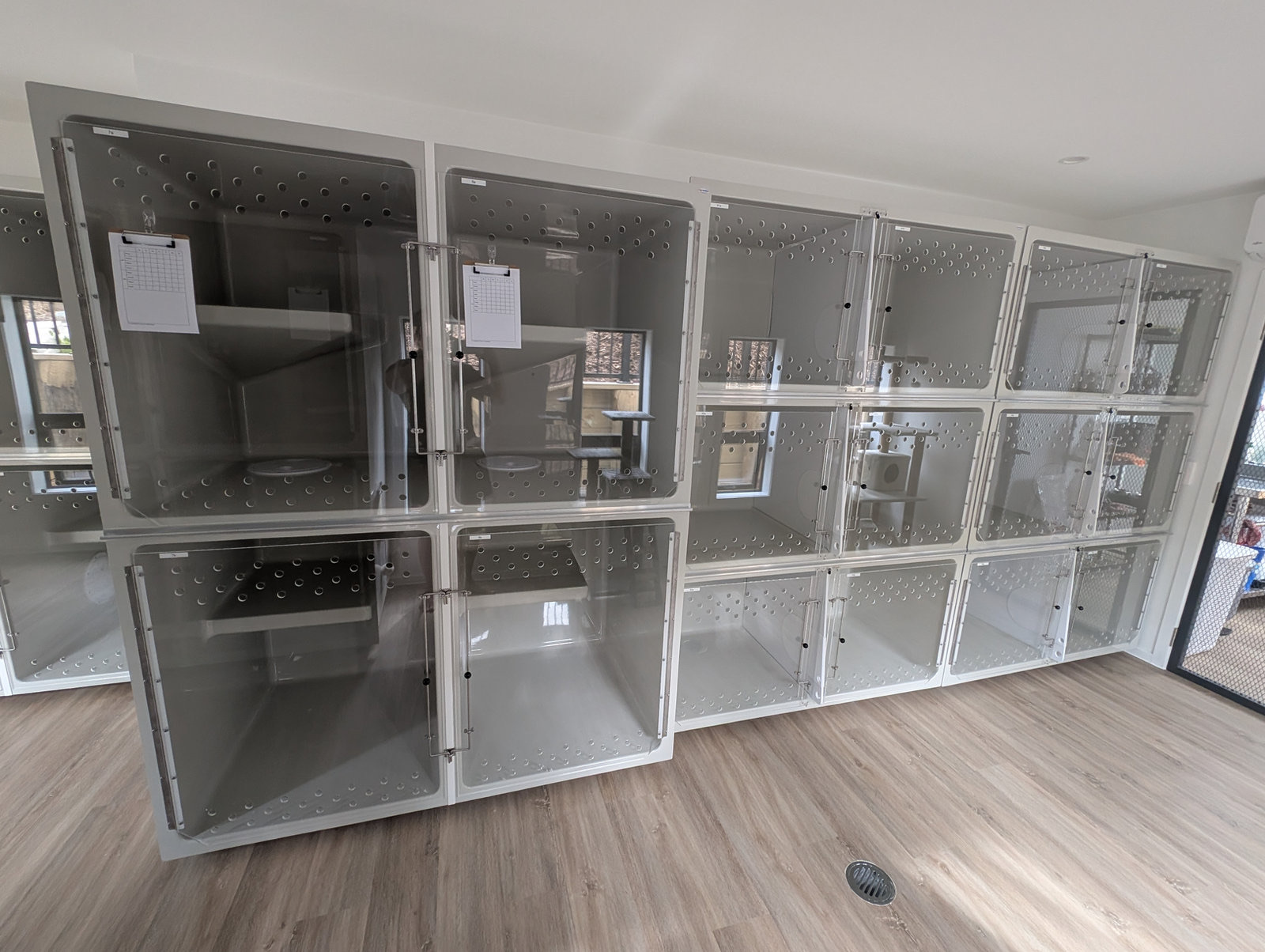
Noise, unfamiliar smells and constant activity can be difficult for an anxious cat. A smaller-scale cattery can make it easier to reduce unnecessary stimulation and adjust the setup around individual behaviour.
3. Hiding Is Not a Failure
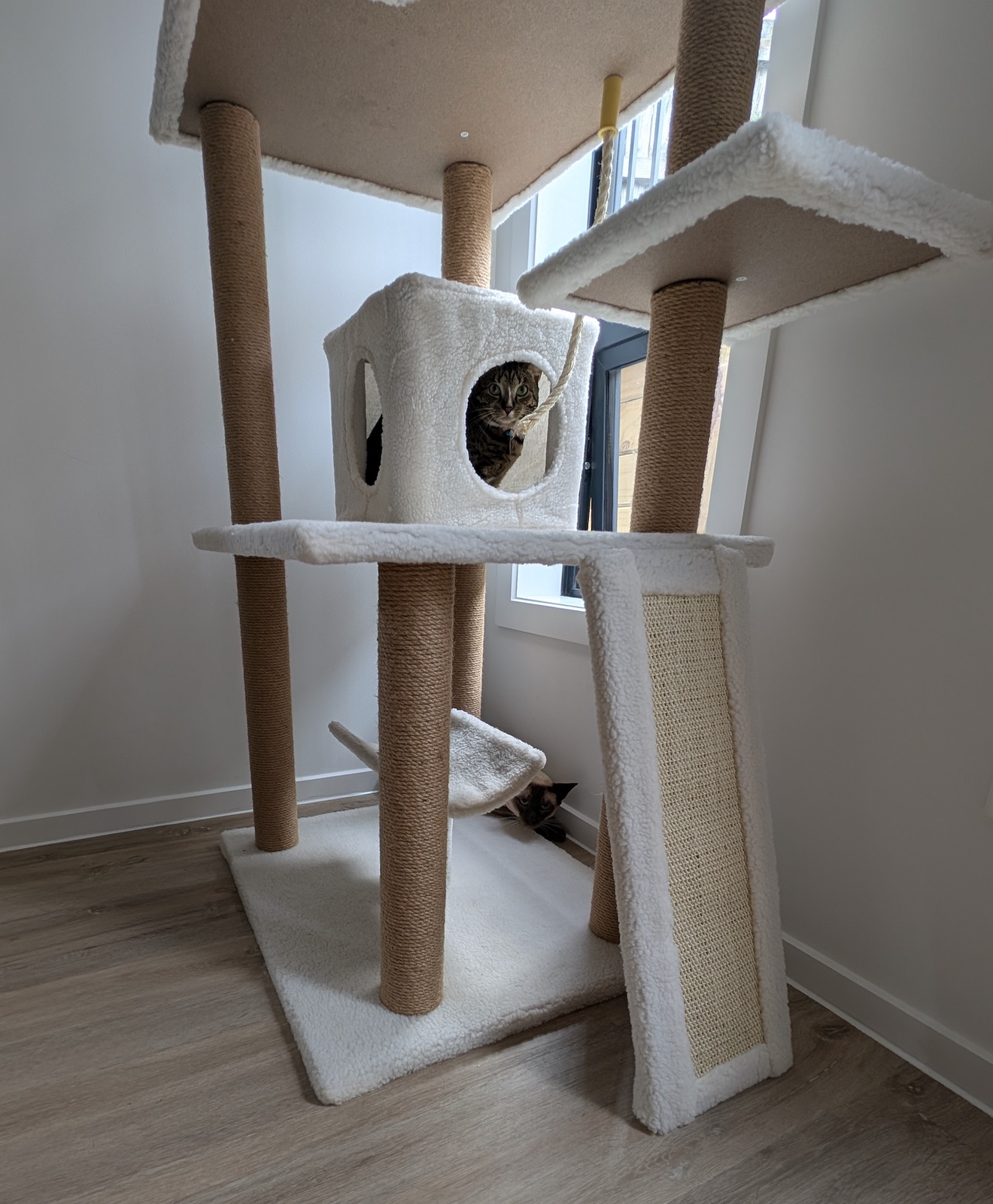
A nervous cat may want to hide at first. That can be a healthy coping strategy. Giving the cat a safe place to retreat can help it feel secure enough to eat, rest and eventually explore. Pulling a frightened cat out of a hiding place often increases stress rather than reducing it.
4. Keep Familiar Routines Where Possible
Tell the cattery about your cat's normal feeding times, preferred food, sleeping habits and handling preferences. Familiar smells from bedding or a favourite item can also help, provided the cattery allows them.
5. Watch the Important Signs
Eating and drinking
Using the litter tray
Changes in hiding or activity
Unusual vocalisation or aggression
Vomiting, diarrhoea or other physical signs
A quiet cat does not automatically mean an unwell cat, but changes need to be interpreted in context. This is why knowing the cat's usual behaviour is useful.
6. Choosing a Cattery for an Anxious Cat
When looking for a cattery for a nervous cat, ask how the cattery handles shy cats, whether cats can have privacy, how often they are disturbed, and whether care routines can be adjusted. The best environment is usually one that allows the cat to settle rather than demanding interaction.
You can read about our cat boarding services, including care for cats needing extra attention.
To discuss a nervous cat before a stay, use our booking form.